
Federal Prosecutions for False Statement(s) to Purchase a Firearm
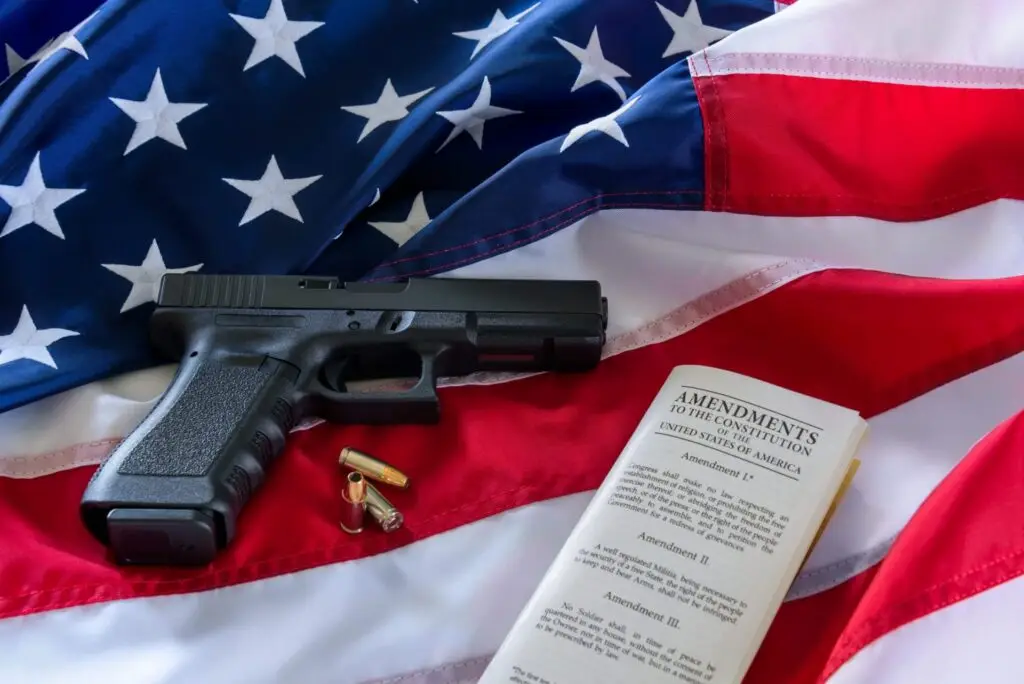
Purchases of Firearms 

All purchases of new firearms are to be recorded and registered, with the purchaser’s information and identity.  This is in part to determine if the potential purchaser has a felony conviction.  If the prospective purchaser has a felony conviction, then he/she is prohibited from possessing, or purchasing, a firearm.

False Statements to Acquire a Firearm 

Title 18 U.S. Code §922(a)(6) makes it unlawful to purchase a firearm from a licensed dealer by knowingly making a false statement.   One of the types of false statements to do this relate to the person’s identity. Another false statement for attempting to purchase a firearm is stating the purchaser is the intended buyer of the firearm. That is, the purchaser submitting the purchase record swears, by his signature, that the firearm is not for another person.  ATF Form 4473, Firearms Transaction Record (used for every new firearm purchase), has a question about ownership of the firearm.  The question is:  “Are you the actual transferee/buyer of the firearm(s) listed on this form?” If the purchaser answers “No” on the form, the purchase will not be allowed.  If the purchaser answers “Yes” to the question, but then transfers the firearm to someone else, he could be prosecuted.

Misleading Statement 

The statement has to be false or likely to deceive regarding facts of the sale, to be a crime.  Falsifying the identity of the actual buyer has been held to be a false statement.  Purchasing the firearm on behalf of another person is also a false statement. Purchasing for another person, or a “straw purchase,” is a very common occurrence in firearms false statement cases.

Straw Purchases

The person who completes and submits the Firearms Transaction Record, with intent to give to another person, is the “strawman.”  The straw purchase is designed to hide the identity of the intended, true owner.  So the person buying and submitting the form, is called the strawman, as the middle man in the true transaction.  The true transaction, not reported, is the purchase for the other person.  A straw purchase occurs with these facts, and therefore a false statement, even if either person could legally purchase a firearm.

Action / Case

If you are under investigation for a false statement case or any other federal case, contact former federal prosecutor John Teakell.  Mr. Teakell can advise you, promote your defense, and navigate the federal criminal process. 

Persons Prohibited from Possessing Firearms, Including Juveniles

Introduction

Among the many firearms violations listed in Title 18 of the U.S. Code, are those in the “prohibited persons” section.  Section 922(d) is a list of person who are prohibited from possessing a firearm. 

Prohibited Persons – Title 18 U.S. Code Section 922

The language of the federal statute that excludes people from possessing firearms is summarized here:

Who is Prohibited?

 The basic list of persons prohibited from receiving, possessing, or accessing a firearm is:

  •  “unlawful user” or person “addicted” to a controlled substance (drug)
  • a person who is formally charged with a crime, that is, a person under Indictment
  • a mental defective person, or person committed to a mental facility
  • an illegal alien
  • a person who is the subject of a protective order or restraining order for stalking, harassing, or threatening a person
  • a person who has been convicted of a “domestic violence” charge 

Remember that any person convicted of any felony offense is also prohibited from possessing a firearm.  The list of prohibited persons applies to persons not convicted of a felony offense.

User of, or Addict to, Controlled Substances 

An “unlawful user” is a person who uses drugs without a physician’s prescription and is forbidden to possess a firearm.  In determining who is an unlawful user, you have to look at several factors.  Prior arrests, use history, pending charges, investigations, and convictions can be used to determine if the person is a user.

Illegal Aliens

Illegal aliens are prohibited from possessing firearms, unless they are present in the United States because of a non-immigrant visa.

Protective Order / Restraining Order

A person subject to an order due to stalking, harassing, or threatening a person, is prohibited from possessing a firearm.

Domestic Violence

Anyone convicted of a family violence or domestic violence charge, such as Assault – Family Violence, is not allowed to possess a firearm. This comes from the federal Gun Control Act.  This prohibition against possessing a firearm is true even if the charge results in a misdemeanor conviction.  This is true even for a conviction of a domestic violence charge in municipal court, where traffic violations are prosecuted.

Juveniles

Juveniles are also prohibited from possessing firearms, except in limited circumstances.  Title 18 U.S. Code §922(x) prohibits juveniles from firearms possession, with some exceptions.

The exceptions, in summary, that allow juveniles to possess firearms are:

  • temporary possession (with permission of the parents) for farming, ranching, target practice, or hunting;
  • and possessing a handgun in a residence when the need for self-defense arises.

Action

Federal sentences are often harsh.  If you are charged with a prohibited person firearm offense, or any federal case, contact federal defense attorney John Teakell.  Mr. Teakell will use his experience to guide you through an investigation, and work your defense in any criminal case.